
 Facebook
 X
 Pinterest
 Copy Link
Stop Losing Clients to Generic Posts: The Real Estate Agent’s Guide to Localized Social Media Strategy
The Hard Truth About Your Social Media Posts
You’re posting on Instagram. You’re sharing on Facebook. You’re active on LinkedIn.
But here’s the thing: If your posts could be from any real estate agent in any city, they’re worthless.
I recently audited the social media accounts of a successful real estate agent. This person was posting 2-3 times per week. Consistent, reliable, professional posts. But when I looked closer, I noticed something troubling: Most posts had only 2-4 likes. No comments. No real engagement.
Then I found one post that mentioned “Burlington, Massachusetts” in the caption. That post had 23 likes and 3 comments.
The difference? One post was localized. The others weren’t.
Here’s what this means: You can be the most active poster in your market, but if your content isn’t localized—if it could apply to any agent anywhere—AI won’t recommend you, algorithms won’t prioritize you, and people scrolling your feed won’t feel connected to you.
This post is about fixing that. It’s about understanding why generic content fails and exactly how to create social media posts that work for you, your market, and your business.
Why Generic Posts Hurt Your Real Estate Business
Let me be direct: Generic social media posts actively harm your visibility.
AI Can’t Categorize Generic Content
AI systems are trained to understand context and relevance. When your post says something like “Happy St. Patrick’s Day!” with a generic photo, AI sees:
- No specific location
- No professional expertise
- No value to any particular audience
- No reason to recommend this to anyone specific
It gets buried. Your followers might see it, but AI won’t show it to potential clients searching for agents in your area.
Compare that to a localized post: “Happy St. Patrick’s Day from all of us at Coldwell Banker in Madison, New Jersey! Did you know some of our clients’ favorite neighborhoods have amazing Irish heritage? Here’s what makes [specific neighborhood] special…”
Now AI understands:
- This is specifically about Madison, New Jersey
- This is from a real estate professional
- This could be valuable to someone looking to buy in that area
- This post has personality and local knowledge
Search Engines Skip Generic Content
Google’s algorithm is designed to reward content that serves a specific audience in a specific place. When you post something generic, you’re competing with millions of other agents posting the exact same thing.
A generic St. Patrick’s Day real estate post exists in thousands of variations. Google doesn’t rank any of them well because none of them are unique or locally relevant.
A St. Patrick’s Day post specifically about Irish heritage neighborhoods in Burlington, Massachusetts? That’s unique. That ranks.
People Don’t Connect With Generic Content
Here’s a psychological fact: Humans connect with specificity, not generality.
When someone from Jersey City, New Jersey sees your generic post about “finding the perfect home,” they think, “That could be anyone.”
When they see your post about “Three reasons the Jersey City school district is worth the investment in today’s market,” they think, “This person knows MY area. I should talk to them.”
Specificity builds trust. Generality builds nothing.
The Five Types of Posts Agents Get Wrong
I see these mistakes repeatedly. Let me show you exactly what’s not working:
Mistake #1 – Holiday Posts With No Local Angle
❌ What doesn’t work: “Happy Mother’s Day! 💐 Hope you have a wonderful day with your family!”
✅ What works: “Happy Mother’s Day to all the amazing moms in Burlington and Lexington! 💐 If you’re a mom looking for a home with great schools, near parks, and within commuting distance to [major hub], let’s talk about what’s available in YOUR neighborhood. You deserve a home that feels like home. 🏡”
Why the difference matters: The first post is meaningless. Any business could post it. The second post is specifically for moms looking to buy homes in those areas. It’s targeted, valuable, and localized.
Mistake #2 – Listing Posts That Don’t Tell a Story
❌ What doesn’t work: “New listing! 55 Eagle Drive, Tewksbury, MA. 4BR, 2BA, listed at $425,000. Visit [website] for details.”
✅ What works: “I just listed a property that means something to me. 55 Eagle Drive in Tewksbury has been home to the same family for 14 years. Watching them grow, build memories, and invest in their community has been an honor. Now, their home is ready for a new family’s story. The kitchen is warm, the backyard is perfect for kids, and the location puts you minutes from the best schools in the district. This home deserves a family who will love it as much as this one did. If this speaks to you, let’s talk. ❤️ #TewksburyRealEstate #FamilyHomes”
Why this works: You’re not just listing a property. You’re telling the story of the home and the people who can see themselves there. You’re showing your personality. You’re connecting emotionally. That’s what gets engagement.
Mistake #3 – Copy-Pasting the Same Post Across All Platforms
❌ What doesn’t work: Posting identical content on Instagram, Facebook, LinkedIn, and TikTok without any platform-specific optimization.
✅ What works:
- Instagram version: Visual focus, shorter caption, story-driven
- Facebook version: Longer caption, more details, family-oriented angle
- LinkedIn version: Professional angle, market insights, business perspective
- TikTok version: Short, snappy, behind-the-scenes, personality-driven
Each platform has a different purpose and different audience. A 3-paragraph essay on Instagram doesn’t work. A 30-second video on LinkedIn looks unprofessional. Optimize for each platform.
Mistake #4 – Video With No Value
❌ What doesn’t work: You filming a property walk-through with no commentary. Just property, no personality.
✅ What works: You on camera, walking through a property, explaining: “Here’s what makes this kitchen special…” “This sunroom gets afternoon light…” “Here’s the one thing I’d do differently if I owned this home…”
Video gets 3x more engagement than photos. But only if you’re in it. People watch to see YOU, not the property.
Mistake #5 – No Hashtags Strategy (Or Too Many Hashtags)
❌ What doesn’t work:
- No hashtags at all
- 30 hashtags like “#realestate #realtor #realestatetips #homeselling #homebuying #westchester #newyork #…” (this screams “old school” and doesn’t help)
✅ What works: 3-5 hyper-localized hashtags:
- #WestchesterNY
- #WestchesterRealEstate
- #WestchesterNewYorkhomes
- #WesterchestNYhomes
Why? AI systems have moved away from hashtags for recommendations. They read your actual content. Hyper-local hashtags help local people find you, not AI. Quality over quantity.
The Science of Localized Content (And Why It Matters for AI)
Here’s what’s happening behind the scenes when you post:
How AI Systems Read Your Posts
Modern AI (like ChatGPT, Google’s algorithm, and social media recommendation systems) reads your entire post—not just hashtags. It looks for:
- Geographic specificity – Does this post mention a specific location?
- Professional authority – Is this from someone knowledgeable about that location?
- Unique perspective – Is this opinion unique or copied from someone else?
- Engagement potential – Does this post invite engagement/response?
- Consistency – Is this consistent with other posts from this person?
When a post includes “Hoboken, New Jersey” and specific, unique information, AI recognizes it as locally relevant and serves it to the right people.
How Search Engines Index Your Posts
Google crawls social media posts. When your Instagram post mentions “Hoboken, New Jersey first-time homebuyers,” Google indexes it. Now, when someone searches “first-time homebuyer Hoboken, New Jersey” your post could appear.
Generic posts don’t get indexed well because they’re not specific enough to match any particular search.
How Your Audience Actually Searches
Your potential clients aren’t searching for “real estate agent.” They’re searching for:
- “Best neighborhoods in Denver, Colorado”
- “Houses for sale in Lexington near schools”
- “First-time homebuyer tips Upstate New York”
- “Move to Salem, MA – what’s it like?”
Your localized posts answer these specific searches. Generic posts don’t.
How to Create Localized Posts That Get Results
Alright, let’s build your system. Here’s the exact formula I recommend:
Formula #1 – The Local Market Insight Post
Purpose: Establish yourself as a local expert. Show you understand the nuances of your specific market.
Structure:
- Open with a specific market observation
- Explain why it matters for buyers/sellers
- Share what you’re seeing in listings
- End with a call to action or question
Example: “📍 Market Insight – Burlington, Massachusetts
I’ve noticed something interesting lately: homes in our downtown area are selling faster than suburban homes, even though they’re comparable in price. Here’s why: Families are realizing they want walkability. They want community. They want to be near Main Street.
If you’re thinking about selling in the next 12 months, location strategy matters MORE than ever. Let’s talk about what your neighborhood brings to the table.
What’s YOUR biggest priority when choosing a Burlington neighborhood? Comment below 👇”
Why this works:
- ✅ Specific location mentioned multiple times
- ✅ Shows local knowledge
- ✅ Relevant to your market RIGHT NOW
- ✅ Invites engagement (question at end)
- ✅ Positions you as the expert
- ✅ AI recognizes this as locally authoritative
Formula #2 – The Story-Driven Listing Post
Purpose: Make your listings personal, not transactional.
Structure:
- Who lived here/history of the home
- What makes it special (specific details)
- Who should love this home (ideal buyer profile)
- Your unique insight
- Call to action
Example: “This family moved to Bloomfield 8 years ago for the schools. Now, their kids are in college, and they’re ready for their next chapter. ❤️
I love this home because it’s not fancy—it’s SMART. The kitchen was updated just right. The bedrooms get amazing light. And here’s the thing nobody tells you: the backyard is perfectly sized. Not too big to maintain, but big enough to actually enjoy.
If you’re looking for a well-maintained home in the Bloomfield, New Jersey, school district with character and smart updates, this could be it.
Link in bio for full details. Or better yet, let’s grab coffee and talk about what you’re looking for. 🏡☕”
Why this works:
- ✅ Shows personality and human connection
- ✅ Specific location and school district mentioned
- ✅ Speaks to a specific buyer type
- ✅ Shows your expertise and preferences
- ✅ Invites personal connection (coffee meeting)
- ✅ Gets engagement through relatability
Formula #3 – The Education/Resource Post
Purpose: Provide value without selling. Build trust and authority.
Structure:
- Identify a common question/problem
- Give specific, actionable advice
- Localize with specific examples
- Invite follow-up questions
Example: “🏡 First-time homebuyer in Ridgewood, New Jersey? Here’s what I tell every first-time buyer:
- Don’t max out your budget. Just because the bank says you can afford $500k doesn’t mean you should spend it.
- Schools matter more than you think (even if you don’t have kids). It affects resale value.
- Your inspection is NOT the time to be polite. Every single thing gets checked. I’ve seen first-time buyers miss major issues because they felt awkward asking about them.
Bonus tip: In Ridgewood right now, we’re in a more balanced market than we were 2 years ago. This is GOOD NEWS for buyers. You actually have negotiating power.
What’s your biggest concern about buying your first home? Drop it in the comments and let’s talk about it. 👇”
Why this works:
- ✅ Directly addresses target audience (first-time buyers)
- ✅ Provides genuine value
- ✅ Shows insider expertise
- ✅ Localized with market data
- ✅ Invites engagement
- ✅ Positions you as trustworthy and helpful
The Social Media Consistency Blueprint
One post isn’t enough. Here’s the system that actually works:
Weekly Content Calendar (The Minimum)
Week 1:
- Monday: Market Insight Post
- Wednesday: Education/Resource Post
- Friday: Story-Driven Listing or Behind-the-Scenes Post
Week 2:
- Monday: Market Data Post
- Wednesday: Education/Resource Post (different topic)
- Friday: Community/Neighborhood Highlight
Week 3:
- Repeat with new examples/insights
Key rule: Every single post must mention a specific location or location-related concept. No exceptions.
The Keywords You Must Include
In every post, work in at least 2-3 of these naturally:
- Your specific markets: Burlington, Lexington, Wilmington, Tewksbury, etc.
- Your target client: First-time homebuyers, families, empty nesters, investors
- What you do: Real estate agent, Realtor, buying, selling, marketing specialist
- Your unique angle: Personal service, no team handoffs, local expertise
Pro tip: Use AI to help you optimize. Write your post, then ask ChatGPT: “Rewrite this to naturally include these keywords while keeping it authentic: [list keywords]. It should read like a real person wrote it, not a keyword-stuffed post.”
Mistakes to Stop Making Immediately
Stop Copying Generic Posts From Other Agents
I see agents sharing the exact same post across their entire network. “Just sold another home! Thank you to my amazing team…”
This is worthless. Write your own story. Make it specific to YOUR market and YOUR approach.
Stop Using Outdated Photos
That headshot from 2009? Remove it. AI systems use facial recognition. Inconsistent photos across platforms confuse both algorithms and real humans trying to find you.
Stop Cross-Posting Without Optimization
Yes, post on multiple platforms. But optimize for each one. An Instagram carousel doesn’t translate to LinkedIn. A TikTok doesn’t work as a Facebook post.
Spend 10 minutes reformatting for each platform. It’s the difference between 2 likes and 23 likes.
Stop Posting When You’re Too Busy to Engage
If you post and then don’t respond to comments for hours (or days), people get the message: you’re not really interested in engaging.
If you don’t have time to respond to comments within 2 hours, don’t post yet. Post when you can actually show up.
What Happens When You Get This Right?
I worked with an agent recently who completely changed their social strategy to focus on localized, story-driven content. Here’s what happened in 30 days:
- Engagement increased by 300%
- DMs from interested buyers and sellers increased
- Their posts started appearing in search results for “real estate agent in [their market]”
- They got recognized in their community as a real expert
- People started referring them to friends because they knew them
That’s the power of localized, authentic content.
Ready to Transform Your Social Media?
Here’s what I recommend:
- Audit your last 10 posts – How many mention a specific location or target client? Probably not many.
- Pick one formula above and commit to it – Start with the Market Insight Post or Story-Driven Listing. Master one before trying all four.
- Optimize your bio across all platforms – Make sure every platform clearly states your location and specialty.
- Set up a simple content calendar – Even just a Notes app document listing what you’ll post each week helps.
If you want a complete audit of your social media strategy across all platforms—including specific recommendations for localization, content strategy, and optimizing your profiles for AI visibility—that’s exactly what I do.
As a Real Estate Marketing Specialist at Coldwell Banker, I help agents like you transform generic, boring social presence into an engaged community of potential clients. I’ll review your current strategy, identify exactly what’s holding you back, and create a specific action plan.
Book Your Social Media Strategy Audit Today
Your local Coldwell Banker Field Marketing Specialist team can guide you through implementation, or reach out directly to learn more.
The agents who dominate their markets aren’t posting more—they’re posting smarter. It’s time for your content to work as hard as you do.
Why AI Can’t Find You: The Complete Google Business Profile Optimization Guide for Real Estate Agents
The Problem Real Estate Agents Face with Google Business Profile
You’ve been in real estate for years. You’ve closed deals. You have happy clients. But when someone searches for a real estate agent in your market, where do you appear? If you’re like most agents I meet with—you don’t appear at all.
The issue? Your Google Business Profile isn’t working for you.
I recently met with a real estate agent who didn’t realize they even had a Google Business Profile. When we found it, the profile was there—but it was essentially a ghost account. No photos. No updates. No way for AI or potential clients to discover them. Sound familiar?
Here’s what I want you to know: You’re not alone in this, and it’s completely fixable.
Your Google Business Profile is one of the most powerful tools in your marketing arsenal. It’s where AI looks first. It’s where Google indexes your business. It’s where potential buyers and sellers find your phone number, reviews, and location. When it’s neglected, you’re leaving money on the table.
The good news? Optimizing it doesn’t require a marketing degree. It just requires understanding what Google and AI are looking for.
What is a Google Business Profile and Why Does It Matter?
A Google Business Profile (formerly Google My Business) is essentially the business listing that appears when someone searches for you or a real estate agent in your area. It shows:
- Your business name and address
- Your phone number
- Your business hours
- Customer reviews and ratings
- Photos of your office and listings
- Your website
- Your business description (bio)
For real estate agents specifically, this profile is absolutely critical because:
AI Uses Your Google Business Profile as a Primary Source
When AI systems need to verify your credentials, location, and what you do, they check your Google Business Profile first. If your profile is incomplete or inaccurate, AI can’t properly categorize you or recommend you to potential clients.
Google Ranks You Based on Profile Completeness
Google’s algorithm rewards complete, accurate profiles with higher search rankings. A profile with photos, reviews, regular updates, and a strong description will rank above an empty profile every single time.
Potential Clients Find You Here First
Before someone calls you or visits your website, they search. And when they search, they see your Google Business Profile. First impressions matter. An incomplete profile says, “This agent isn’t serious about their business.”
The Four Critical Issues Preventing Agents from Being Found
Before we jump into solutions, let’s talk about what’s going wrong. These are the exact issues I see in real estate agents’ profiles repeatedly:
Issue #1 – You Don’t Own Your Own Profile
This is surprisingly common. Many Google Business Profiles were set up by office managers or MLS systems, and the original creator still “owns” the profile. You can’t edit it. You can’t add photos. You can’t update your bio. You’re completely locked out.
The Fix: Request ownership of your profile. If you’re logged into your Google account and you find your business profile, click “Own this business.” Google will ask you to verify ownership. This usually means requesting access from whoever currently owns it—but if they don’t respond, Google can help you claim it.
Issue #2 – Your Profile Has Missing Information
No photos. No updated bio. No link to your website. No social media profiles connected. The profile exists, but it’s basically empty.
When your profile is missing information, Google doesn’t know what to do with it. AI can’t categorize you properly. Potential clients see an incomplete listing and assume you’re not actively practicing.
Issue #3 – Your Bio Doesn’t Tell the Complete Story
Your current bio might say something like: “Real estate agent specializing in residential properties.”
Here’s the problem: That could be anyone, anywhere in the world.
AI and search engines need to understand:
- WHO you are (your name, credentials)
- WHERE you work (your specific market/location)
- WHO you help (your target client)
- WHAT makes you different (your unique approach)
If your bio is generic, you’re invisible.
Issue #4 – Your Information Isn’t Consistent Across Platforms
You might have one phone number listed on Google Business Profile, a different one on your website, and no contact information on LinkedIn. You might have a different photo on each platform. This confusion is a red flag to both AI and human searchers.
How to Claim and Optimize Your Google Business Profile: Step by Step
Ready to take control? Here’s exactly how to do it.
Step 1 – Find Your Profile and Check Ownership
- Go to google.com
- Search for “[Your Name] Real Estate Agent [Your City]”
- Look at the results. Do you see a business profile card on the right side with your photo, phone, and address?
- If yes, click on it
- Look for an “Own this business” or “Claim this business” button
If you see one, click it. If you don’t see a button to claim it, it means someone else owns it and you’ll need to request access.
Step 2 – Request Access If You Don’t Own It
If someone else owns your profile:
- Click the three dots (⋯) on your profile
- Click “Suggest an edit”
- Google will ask you to verify that you’re authorized to represent this business
- Google will notify the current owner and ask them to approve your access request
Pro tip: If the current owner doesn’t respond within a few days, you can escalate this with Google directly. They want the right person managing the profile.
Step 3 – Verify Ownership and Gain Full Control
Once you own the profile (or have editing access), you’re ready to optimize.
Step 4 – Upload Professional Photos
Photos are crucial. You need:
- A professional headshot (this is you)
- Photos of your office (if you have one)
- Photos from recent listings you’ve sold
Quality matters here. Google rewards profiles with multiple, high-quality photos. AI systems use photos to verify that this is a legitimate, active agent.
Minimum: Upload at least 5 professional photos. Aim for 10-15 for maximum impact.
Step 5 – Write a Compelling, Localized Bio
This is where most agents go wrong. Here’s the formula that works:
[Credentials/Title] serving [Specific Geographic Area] helping [Your Client Type] with [Your Unique Approach]
Example that WORKS: “Certified Real Estate Agent serving Burlington, Massachusetts and surrounding towns. I help first-time homebuyers and families find their perfect home with a personalized, no-pressure approach. As a Coldwell Banker Real Estate Specialist, I bring 15+ years of market expertise and a commitment to transparent, client-focused service. I specialize in [your niche]. When you work with me, you get direct access—no team handoffs, just dedicated, one-on-one representation.”
Why this works:
- ✅ Clearly states who you are
- ✅ Names specific locations (helps AI and local search)
- ✅ Identifies who you help (targets your ideal client)
- ✅ Explains what’s different about your approach
- ✅ Uses keywords AI looks for (certification, market expertise, client service)
- ✅ Builds trust through transparency
Step 6 – Add Your Social Media Profiles
Google Business Profiles now let you link to your social accounts. Add:
- Your Facebook page
- Your Instagram profile
- Your LinkedIn profile
- Your YouTube channel
This helps Google understand your complete online presence and makes it easier for potential clients to find you everywhere.
Step 7 – Keep It Updated
This is ongoing. Your Google Business Profile should be updated at least:
- Monthly: New photos, updates about new listings, seasonal content
- Daily: Respond to reviews (yes, ALL reviews—positive and negative)
- As Needed: Correct any inaccurate information immediately
AI systems reward profiles that are actively maintained. A profile that hasn’t been updated in months sends a signal that you’re inactive.
How to Optimize Your Bio for AI and Search Engines
Let me be specific about keywords, because this matters for both AI and traditional search optimization.
The Keywords AI is Looking For
When AI systems try to understand who you are and what you do, they’re looking for:
- Location keywords: (Burlington Massachusetts, Westchester, Northern New Jersey, etc.)
- Professional credentials: (Certified Buyer’s Agent, Realtor,)
- Service keywords: (home buying, selling, first-time buyer, investment properties, etc.)
- Client-focused keywords: (personalized service, no team handoffs, direct representation)
Pro Strategy: Run your current bio through an AI tool (like ChatGPT) and ask: “Optimize this bio for AI and search engines while keeping it authentic. Here are the keywords I want to be found for: [list them]. Make it compelling for both humans and AI systems.”
The AI will reword it to maximize searchability while keeping your authentic voice.
Location-Based Keywords Are Critical
This cannot be overstated: AI struggles when your profile mentions multiple locations randomly.
If your bio mentions Golden, Colorado because it’s where you used to live and part of your career, and Burlington, Massachusetts (where you currently work), AI gets confused about where you actually work. It might show you to someone searching in Colorado even though you don’t work there.
Keep your geographic focus tight in your main bio. If you work in multiple markets, mention them all clearly: “Serving Burlington, Massachusetts; Lexington, Massachusetts; and Wilmington, Massachusetts.”
Common Mistakes That Prevent AI From Finding You
Let me show you exactly what NOT to do:
Mistake #1 – Vague, Generic Descriptions
❌ Bad: “Real estate professional with years of experience” ✅ Good: “Burlington, Massachusetts real estate specialist with 15 years of experience helping families and first-time buyers find their ideal homes”
Mistake #2 – Inconsistent Information Across Platforms
❌ Bad: Phone number is different on your website vs. Google vs. LinkedIn ✅ Good: Same phone number, email, address everywhere
Mistake #3 – Missing or Low-Quality Photos
❌ Bad: Using a photo from 2009, no office photos, no listing photos ✅ Good: Recent professional headshot, office photos, 5-10 listing photos
Mistake #4 – Not Responding to Reviews
❌ Bad: Customers leave reviews and you never respond ✅ Good: Respond to every review (positive and negative) within 24 hours
Mistake #5 – Setting It and Forgetting It
❌ Bad: Profile created in 2015, last update was in 2018 ✅ Good: Profile updated weekly with new information, photos, or responses
What Happens Once You Optimize Your Profile?
Real, measurable changes happen when you optimize properly:
- AI starts recommending you to potential clients in your market
- Your Google search ranking improves for local queries
- Potential clients find your phone number and website easily
- Your credibility increases (a complete profile signals an active professional)
- More qualified leads contact you because the right information is right there
I met with an agent recently who thought they didn’t even have a Google Business Profile. Once we claimed ownership, uploaded photos, rewrote the bio for AI optimization, and set up a system for regular updates, their visibility increased dramatically within 30 days.
Ready to Take Control of Your Google Business Profile?
This is one of the most impactful changes you can make in your real estate marketing. Your Google Business Profile is often the first impression potential clients have of you. Make it count.
Here’s what I recommend as your next step:
- Claim your profile using the steps above
- Upload professional photos and rewrite your bio using the formulas provided
- Set up a system to update it regularly (even just 15 minutes per week makes a difference)
If you want professional guidance through this process, or if you want a complete audit of your Google Business Profile and all your online profiles, I’m here to help.
As a Real Estate Marketing Specialist at Coldwell Banker, I conduct detailed audits for agents who want to be found by AI and dominate their local market. I’ll review your profile, identify exactly what’s holding you back, and create a specific action plan to get you in front of more potential clients. Use our Social Media Audit
Book Your Free Profile Audit Here
Your local Coldwell Banker Field Marketing Specialist can walk you through the optimization process step-by-step, or you can reach out to the marketing team in your region.
What I Learned at This Week’s Growth Mastermind: FinCEN, Redfin, Community‑Driven Growth & The Future of AI in Real Estate Marketing
On March 11th, 2026, I sat inside our Coldwell Banker headquarters here in Madison, NJ for one of the most value-packed Growth Mastermind sessions I’ve attended yet. Michael Penissi brought together an incredible lineup—David Palmer, Katelyn E. Sullivan, and Alex McAteer—and each one of them delivered something every real estate agent in our company needs right now: clarity, direction, and tactical advantages for the market we’re operating in today.
As a real estate marketing specialist, I spend a lot of time studying the shifts happening around us—platforms, algorithms, compliance changes, consumer behavior, and agent best practices. But to hear it all distilled live, directly from practitioners and leaders who are in the trenches every day, was powerful.
Below are the biggest takeaways I walked out with—plus why I believe these topics should be front and center for every agent’s business plan in 2026.
1. FinCEN Is Going to Reshape How Agents Manage Cash and Entity Buyers
When David Palmer speaks, you listen. His explanation of the new nationwide FinCEN rules was one of the clearest breakdowns I’ve heard so far.
For years, FinCEN’s reporting rules applied only to “hotspot” markets—NYC boroughs, Miami-Dade, Honolulu, high‑volume cash corridors. But now, every county in America is included. And what used to apply only to cash transactions of $300,000 or more now applies to every cash transaction at every dollar amount—even zero‑dollar deed transfers.
The major trigger:
Any buyer using an entity (LLC, corporation, trust) with cash, private financing, or hard money without AML programs.
This means:
- A “strong cash offer from an LLC” is no longer automatically the cleanest offer.
- Entity buyers may soon need to “bring more to the table” to stay competitive.
- Early title ordering is now critical. Waiting until attorney review is a recipe for delays.
- Agents need to prep buyers early for the reality of deep data collection.
If you work with investors, trust‑based buyers, or remodelers, this isn’t optional knowledge. It’s now your competitive edge.
2. The Redfin Partnership Is Bigger Than Most Agents Realize
Michael explained it plainly: this is not just another tech integration. This is a strategic move in the ongoing battle for consumer attention at the top of the funnel.
Key insights:
Redfin is now the #3 real estate portal in America.
More monthly unique visitors than Trulia. Higher conversion rates. Better usability. Cleaner design. Stronger consumer engagement.
Exclusive listings will display on Redfin with zero days‑on‑market.
This is one of the biggest value props we’ve had in years.
When sellers ask, “Do exclusives limit my exposure?” agents can now say:
- 70–80% of active, productive agents in our markets see exclusives already.
- Now those listings also appear on one of the largest real estate portals in the country.
- No Zestimate equivalent lowering perceived value.
- No days‑on‑market penalty for testing price.
It changes listing presentations. It changes strategy. It changes leverage.
Zillow’s rules will be tested.
Their stance on “public marketing” may collide with the new Redfin exclusives. July’s rollout will be telling, and we’ll learn quickly from Compass’ early data since they go live first.
But the message is clear: Control of listing data is shifting back toward brokerages—and we intend to lead.
3. Katelyn Sullivan Proved Community Is Still the Most Scalable Lead‑Gen Strategy in Real Estate
If there was a masterclass inside the Mastermind, it was Katelyn.
She has built her business—not through paid leads or heavy automation—but through deep community immersion and consistent human connection. And the results are undeniable:
- Top-producing Boston Back Bay agent
- Global 30 Under 30 (2022)
- REALTOR Magazine 30 Under 30 (2023)
- Over 50 community events since launching Eastie Gals in 2023
- Expanded into Eastie Guys in 2025, now hosting co-ed and scalable citywide experiences
What struck me most wasn’t the volume of events—it was the intentionality.
She didn’t start these groups as a marketing angle. She started them because she wanted real relationships. Real friendships. Real community.
The real estate business followed.
Her formula is simple, but incredibly effective:
- Find a real interest or need inside your community.
Not a gimmick—something real. - Show up consistently. Once a month minimum.
- Give first. Ask later.
Her “slices → loaves” mantra explains her results perfectly. - Every event builds trust. Every newsletter builds recall.
And her business card quietly sits at the bottom of every community email.
Agents often ask me:
“How do I get people to remember me without being salesy?”
Katelyn just demonstrated the answer. Follow her on Instagram
4. AI in Real Estate Is Moving Faster Than Most Agents Understand
When Alex McAteer took the stage, he dropped what I can only describe as the most advanced, real‑world AI strategy session I’ve seen at the brokerage level.
Not theory.
Not prompts.
Not “how to write a better caption.”
Real AI ranking strategy.
Real search engine shifts.
Real agent visibility frameworks.
These three points stood out:
1. AI search (ChatGPT, Gemini, Claude, Perplexity) is becoming a primary consumer research tool.
More and more buyers are typing:
- “Who is the best real estate agent in Madison NJ?”
- “Top buyer’s agent in Morris County”
- “Best agency for selling a home in New Jersey”
AI is deciding who shows up—not Google alone.
2. If agents don’t build authority now, they won’t show up later.
He spent 100+ hours experimenting, testing, refining—and proved it.
Visibility scores jumped from 2% to over 12% in days once the correct framework was applied.
3. Press releases, Google Business optimization, reviews, and authority pages now heavily influence AI rankings.
Not keyword stuffing.
Not endless blogging.
Not social media dancing.
But trusted citations the AI models can verify.
This should be a wake‑up call for every agent who intends to still be relevant in two years.
Final Thoughts: The Real Estate Advantage in 2026 Belongs to Agents Willing to Evolve
Sitting in that room reminded me of why I love doing what I do at Coldwell Banker.
We’re not a 120‑year‑old company stuck in the past.
We’re reinventing faster than the industry expects—pairing the stability of a legacy brand with the pace and agility of a modern tech company.
The leaders are forward-thinking.
The agents are hungry.
The tools are leveling up.
And the opportunities—for marketing, for exposure, for authority—are expanding.
My biggest takeaway:
The agents who win in 2026 and beyond will be the ones who combine all three levers:
→ Compliance knowledge (FinCEN)
→ Platform power (Redfin partnership)
→ Human connection (Katelyn’s community approach)
→ AI visibility (Alex’s blueprint)
The market has never rewarded preparedness more than it does right now.
If you want help turning any of these insights into a marketing plan for your own business—whether that’s content, AI strategy, community building, or listing presentation updates—I’m here for you.
Just reach out.
Why This “Better Together” Conversation Is Worth Watching for Every Real Estate Agent

If you work in real estate right now, you can feel it: the market is moving again—but not in the same way it used to.
Recently, I watched a conversation featuring leaders from Coldwell Banker Realty and Guaranteed Rate Affinity that stopped me mid‑scroll. Not because it was flashy or dramatic—but because it clearly articulated something many agents are already experiencing:
The old, transactional relationship between real estate agents and lenders isn’t enough anymore.
If you haven’t watched the video yet, I recommend starting there. It’s a rare, candid discussion about what actually helps agents win in today’s market—and why alignment matters more than ever.
Below is my perspective as a Marketing Specialist at Coldwell Banker, and more importantly, how I think agents can apply what’s discussed in the video to their own business right now.
This Isn’t About Referrals. It’s About Alignment.
One of the strongest takeaways from the video is the idea that this is not a referral relationship—it’s a strategic partnership.
That distinction matters.
Most traditional agent‑lender relationships are reactive:
- the deal shows up
- the lender gets looped in
- everyone hopes nothing slows it down
What’s being discussed here is something different.
When mortgage professionals are integrated into the office culture—present at meetings, available for strategy, involved before listings hit the market—agents aren’t just closing transactions. They’re creating opportunity earlier in the process.
From a marketing standpoint, this is powerful. Why? Because confidence sells better than claims.
Education Before the Transaction Is the Real Differentiator
There’s a stat mentioned in the video that should make every agent pause:
Nearly 1 in 4 consumers still believe they need 20% down to buy a home.
That misconception alone delays inventory, freezes buyers, and creates unnecessary fear.
What stood out to me is how much emphasis the speakers placed on education before the transaction—not after a client is already stressed.
When agents understand financing at a higher level (without needing to become lenders), they can:
- unlock inventory with sellers who feel “stuck”
- guide buyers who assumed they weren’t ready
- move conversations from “someday” to “now”
From a branding perspective, this positions the agent as a trusted advisor, not just a salesperson.
Why “Selling Solutions” Changes Everything
Another moment that really resonated with me was the shift away from selling:
- rates
- down payments
- generic mortgage talking points
Instead, top producers are focused on selling solutions.
The video walks through scenarios agents see every day:
- self‑employed buyers
- high‑asset clients who don’t want to liquidate cash
- investors qualifying off property cash flow
- buyers who need to purchase before selling
These clients don’t need buzzwords. They need clarity.
When agents can confidently say, “We’ve already thought through your options,” the entire experience changes—and so does the outcome.
Technology Isn’t Replacing Relationships—It’s Protecting Them
As someone who supports agents with marketing and strategy, I appreciated the realistic way technology was discussed in this conversation.
AI and automation aren’t here to replace agents or loan officers. They’re here to:
- reduce delays
- shorten pre‑approvals
- remove guesswork
- make complex situations easier to navigate
Why does that matter for agents?
Because nothing kills a deal faster than time.
Speed builds trust. Transparency builds confidence. And clients remember how easy—or difficult—the process felt long after closing.
That memory becomes your next referral.
What This Means for Your Brand as an Agent
Real estate is crowded. Everyone says they’re experienced. Everyone says they’re local. Everyone says they care.
What actually sets agents apart is this:
“It was easier than I expected.”
That’s branding.
When you align with partners who help simplify the process, reduce fear, and guide clients before pressure sets in, your brand becomes associated with confidence—not chaos.
From a marketing perspective, that’s the story worth telling.
My Takeaway After Watching the Video
This conversation isn’t about products.
It’s not about rates.
And it’s definitely not about doing more for the sake of doing more.
It’s about working better together—earlier, smarter, and more intentionally.
The agents who lean into this mindset in 2026 will:
- spend less time chasing updates
- reduce fallout and friction
- increase repeat and referral business
- and ultimately enjoy the work more
If you haven’t watched the video yet, I strongly recommend it. And if you have, the real question becomes:
How are you applying this in your own business?
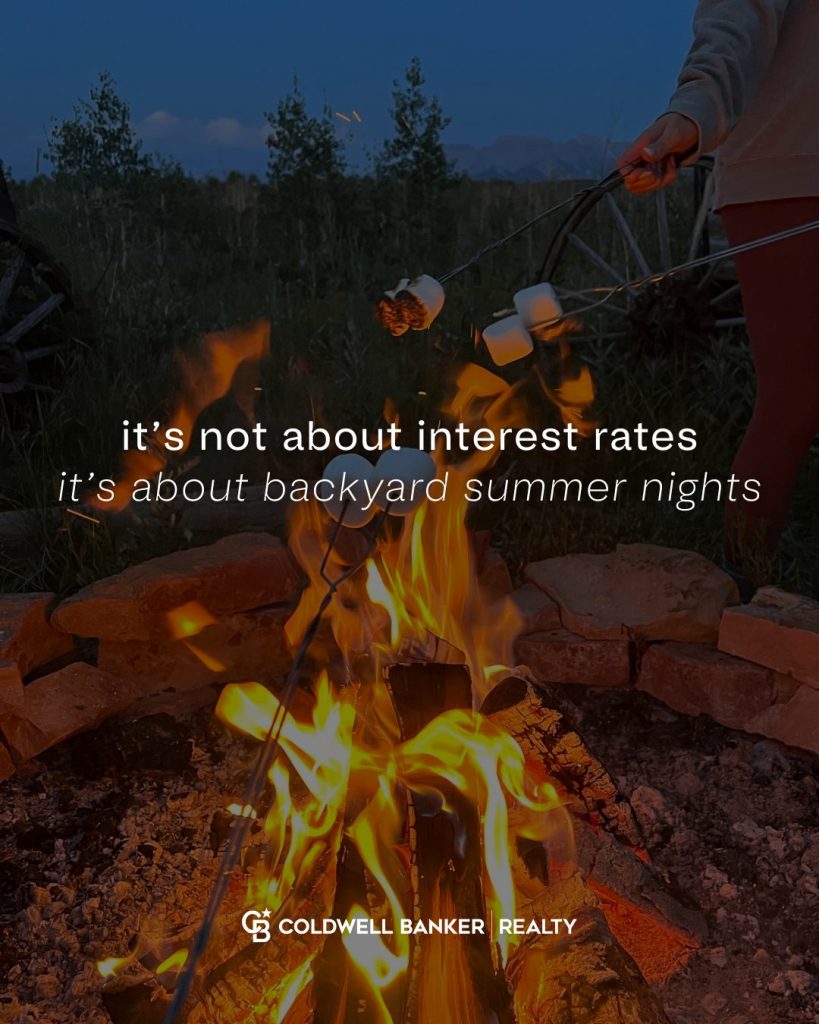
Not Just a House

Caption Suggestion - Feel free to make it your own!
Real estate isn’t just about walls, rooms, or square footage.
It’s the moments, memories, and people who fill it.
Ready to find the place where your next chapter begins?



The Shift to AI Search: How One YouTube Strategy Session Led to a $5M Listing Opportunity
A few weeks ago, one of our top agents reached out with a familiar challenge: she felt invisible in AI‑driven search.
She was strong in her local market, highly respected in her community, and consistently producing at a high level—but when she asked today’s AI tools to identify the top real estate professional in her area, her name didn’t surface.
That’s the reality many agents are facing right now. Consumers aren’t just “Googling” anymore. They’re asking AI. And AI can only surface what it has been trained to recognize.
So we met for an in‑depth working session focused on YouTube and Answer Engine Optimization (AEO). The goal was simple: help AI understand exactly who she is, where she works, and what she’s an authority on.
Last night, she received a call from a homeowner with a $5,000,000 property who said they found her by asking AI who the best agent in the area was.
No ads.
No paid placement.
No portal spend.
Just better visibility.
Here’s the breakdown of the strategy we implemented—and why it worked.
1. We Rebuilt Her YouTube Channel for AI, Not Algorithms
Her channel previously served as storage for listing videos and personal videos. There was nothing inherently wrong with the content—it just wasn’t structured in a way AI could interpret.
I walked her through:
- Cleaning out old, unrelated uploads
- Organizing playlists around local search intent
- Rewriting titles to lead with location and value (“[Insert Location] Luxury Home With Mountain Views | 123 Anywhere St”)
- Adding 300–500 word SEO‑driven descriptions to every video
- Ensuring her keywords appeared consistently
This created a clear narrative:
She is a [Local] real estate authority.
That alone began repositioning her channel for better AEO performance.
2. We Shifted Her Content Toward Question‑Based Video Education
AI favors subject‑matter experts who explain local markets clearly.
I showed her how to build short, 30‑second vertical videos that follow a simple formula:
- Start with the question a buyer or seller would ask.
- Answer it directly using localized terminology.
- Keep one question per video to maximize clarity.
- Pair the audio with relevant visuals (listing clips, local scenes, etc.).
Examples include:
- “What’s the best time to buy in [City, State]?”
- “Why do some [City] homes sell faster than others?”
- “What should mountain‑home buyers know before moving to the foothills?”
These clips now feed both Instagram Reels and YouTube Shorts—two platforms that AI regularly scans for answers.
3. We Built a Simple Repurposing System to Keep Her Consistent
She was already producing high‑quality listing videos but wasn’t fully leveraging them. Together, we established a repeatable workflow:
- Edit videos in Instagram’s “Edits” app
- Post as Reels
- Download without music
- Repost as YouTube Shorts
- Add searchable titles and SEO‑rich descriptions
- Share to Facebook (Business → Personal)
- Convert into written blog posts
This gave her consistent output across platforms without significantly increasing her workload.
4. We Aligned Her Entire Online Presence Around Clear Location Authority
Across her platforms, we tightened her bio language and created alignment between:
- YouTube
- Facebook Business
- Her website
This helps AI recognize her across channels and associate her name with local real estate more consistently.
The Result: A $5,000,000 Listing Appointment
Yesterday, she received a message from a potential seller.
They asked AI who the best real estate agent in her area was—and her name surfaced immediately.
This came directly from the structural and strategic changes we made:
- Optimized YouTube
- Clearer metadata
- AEO‑driven content
- Localized keywords
- Consistent educational video output
One working session. Zero ad spend. Immediate ROI.
What This Means for Agents Right Now
The search landscape has fundamentally changed.
People aren’t just searching for “best realtor near me.”
They’re asking:
- “Who is the best agent for luxury homes in [City]?”
- “Who knows the [City] market the best?”
- “Which agent specializes in [State] [feature] properties?”
AI doesn’t guess the answers.
It pulls from the digital signals we give it.
Our job, as a marketing organization, is to help our agents become visible in this new environment. Helping them show up when the question gets asked—that is the new standard.
And the early results show the impact is immediate and significant.
If You’re a Coldwell Banker Agent Who Wants to Stay Visible in the Next Version of Search
This is the work we’re doing every day:
- AEO training
- YouTube restructuring
- Content strategy
- Local authority building
- Multi-platform visibility
- Personalized coaching
Visibility is no longer about who posts the most.
It’s about who answers the questions best.
And the agents who lean into this now will be the ones AI elevates tomorrow.
Life Behind the Listing

Caption Suggestion - Feel free to make it your own!
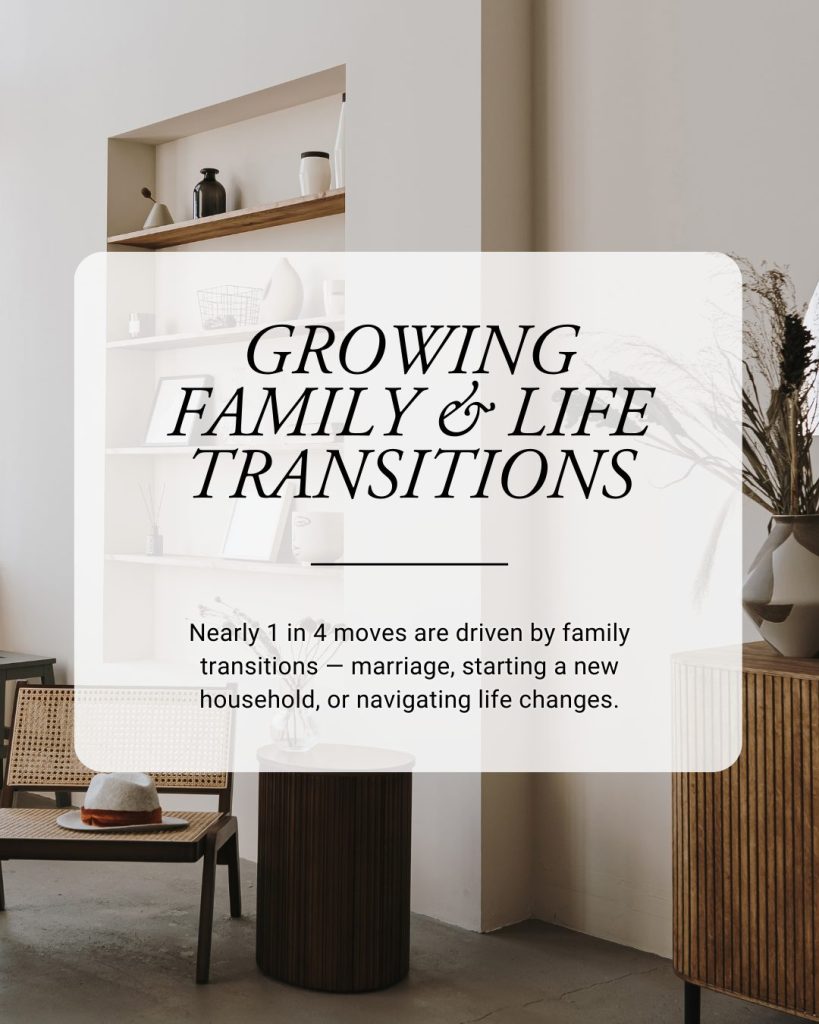
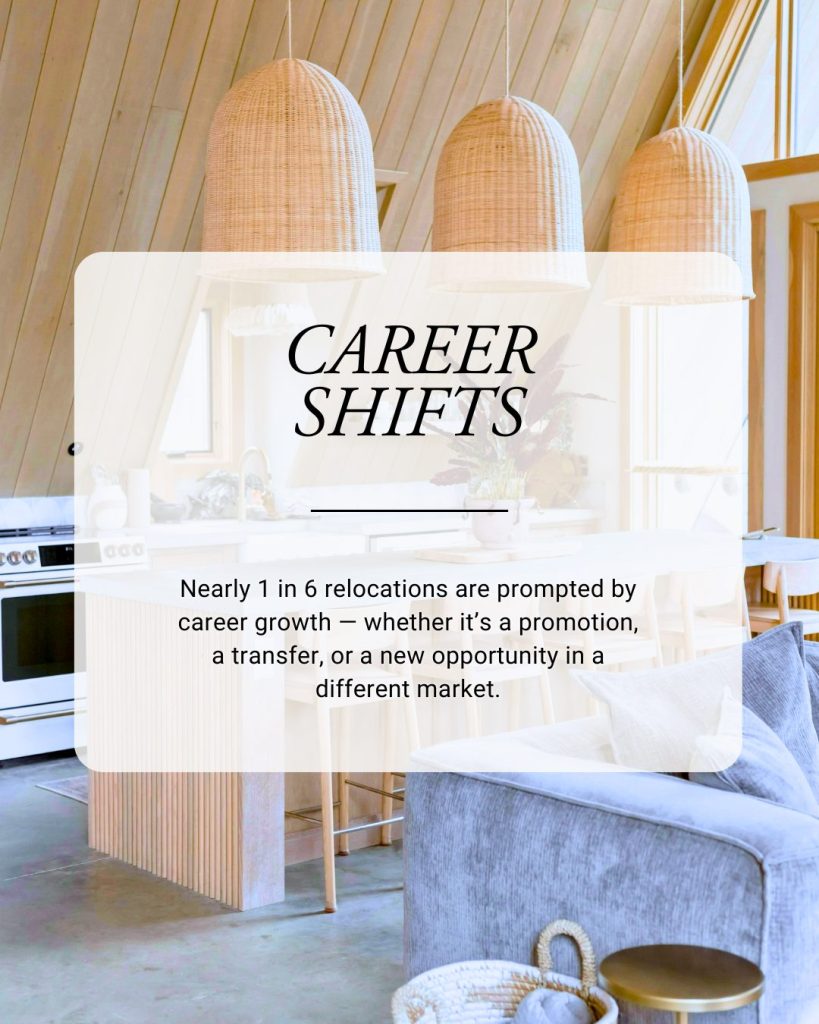
Every move starts with a moment.
A job offer.
A baby on the way.
A desire for more space — or less.
A shift in priorities.
Homes change when life changes. If you’re entering a new chapter this year, I’d love to help you navigate it.

Spring Training – March 2026

Success in the spring market starts with preparation. Coldwell Banker Realty Marketing Spring Training is your preseason plan to sharpen your marketing, strengthen listing readiness, and step into the season ready to win.
Listings aren’t won on Opening Day; they are won in the preparation that happens beforehand. Spring Training is designed to refine your strategy and elevate your market presence as the season begins.
Your Spring Training Plan:
· Batting Practice: Refresh your online presence and social visibility.
· Fielding Fundamentals: Review market data and prepare before the listing conversation.
· The Scouting Report: Refine your Perfect Pitch value statement and personalize your listing presentation.
· Batter Up: Deliver a confident, data-backed presentation and activate your marketing from day one.
· Train with Marketing: Partner with Field Marketing to strengthen your strategy and leverage Listing Concierge, Transaction Concierge, GRA/Title, and AI tools for support.
Attend Our Featured Workshops:
Explore upcoming workshops at CBRMarketingWorkshops.com to sharpen your listing and marketing skills this month.
1:1 Marketing Support:
Schedule time with me to prepare your Spring Listing Game Plan.
Book a Next Available Appointment:
Schedule a strategy appointment for personalized guidance on preparing your marketing, presentation, and listing launch strategy.
Taking a few steps now can make a significant difference as the market picks up. Let’s get your marketing and listing strategy ready for a strong spring season and step up to the plate with confidence.
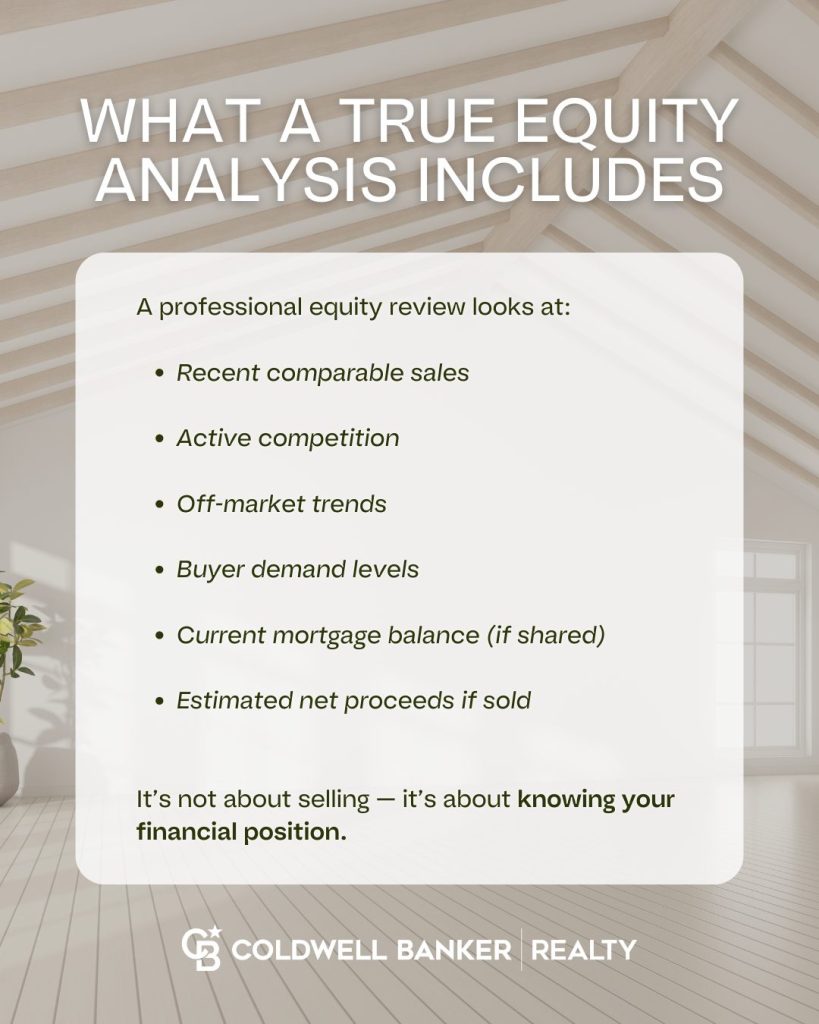
How Much Is Your Home Worth?

Caption Suggestion - Feel free to make it your own!
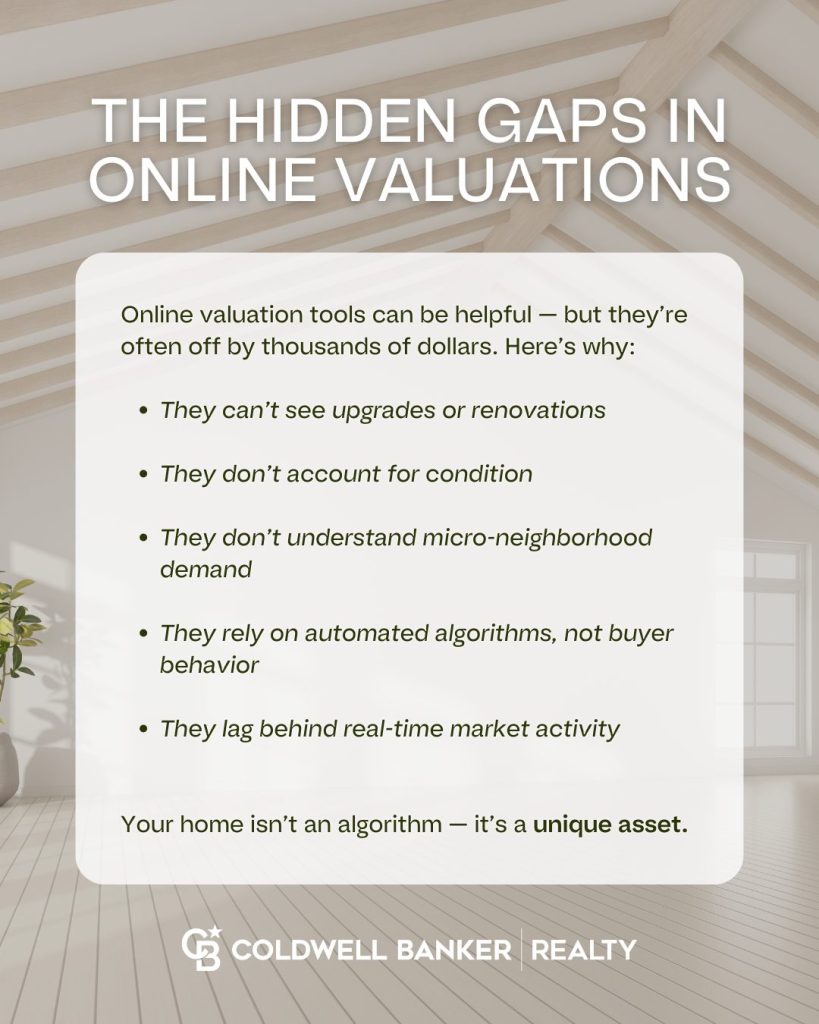
You might be sitting on more equity than you think.
Home values have shifted over the past few years — but many homeowners underestimate how much wealth they’ve built through appreciation and mortgage paydown.
Online estimates only tell part of the story.
Your home isn’t an algorithm — it’s a unique asset.
Want a personalized 2026 Home Equity Snapshot?
DM me “EQUITY” and I’ll send you a custom breakdown — no pressure, just clarity.

Inside the Growth Mastermind: What I Learned Directly from Compass International Holdings CEO Robert Reffkin
Inside the Growth Mastermind: What I Learned Directly from Compass International Holdings CEO Robert Reffkin
By Philip Brown, Field Marketing Specialist – Coldwell Banker, part of Compass International Holdings
The real estate industry is changing faster than ever—and the leaders shaping that change are defining the future for agents, brokerages, and consumers alike. As the Field Marketing Specialist for Coldwell Banker, I had the opportunity to attend our most recent Growth Mastermind, where Robert Reffkin, CEO of Compass International Holdings, shared a powerful vision for where our industry is headed.
If you’re a real estate professional searching for insights on agent empowerment, industry innovation, and the future of real estate marketing, this breakdown will give you a clear, strategic look at what’s next.
Why This Session Matters for Real Estate Professionals
If you follow industry trends, you’ve seen major consolidation, evolving listing rules, shifting agent expectations, and a renewed focus on high‑value client experiences. Robert Reffkin addressed all of this head‑on.
This wasn’t just another corporate talk. It was a roadmap.
His message centered around three themes that matter for every agent and brokerage leader:
- Stronger leadership rooted in service
- A renewed commitment to in‑person connection and office culture
- Greater agent control in the modern digital landscape
Let’s break it down.
A New Era of Real Estate Leadership After a Landmark Acquisition
One of the most significant milestones in recent real estate history was Compass’s acquisition of Anywhere Real Estate, creating a combined organization with unparalleled scale. But what stood out during the Growth Mastermind wasn’t the size of the deal—it was the purpose behind it.
Robert framed this merger as an opportunity to:
- Bring together top-tier brands like Coldwell Banker under a unified, modern infrastructure
- Expand resources, support, and tools for agents
- Strengthen local expertise with national-level technology
For agents and marketing professionals alike, this signals a new era defined by shared innovation and stronger support systems across every brand involved.
Servant Leadership: The Foundation of Robert Reffkin’s Vision
One of the most compelling parts of Robert’s message is his personal connection to real estate. Growing up, he watched his mother work as an agent—building her business, navigating challenges, and serving clients with heart.
That experience shaped his leadership philosophy, which he reinforced during the Mastermind:
- “I work for you”
- Transparency over hierarchy
- Accessibility, communication, and genuine care
- Empowering agents to reach their entrepreneurial potential
This approach aligns with what many of us in marketing already know: when leadership supports agents at a foundational level, every part of the business strengthens—client experiences, brand reputation, production, and community impact.
The Return of Office Culture and Real Connection
In an industry increasingly split between virtual platforms and in‑person relationships, Robert made his stance clear: real estate thrives on real human connection.
He emphasized that offices aren’t just physical spaces—they’re hubs of:
- Skill-sharing
- Spontaneous collaboration
- Business referrals
- Mentorship and belonging
As someone who regularly visits offices and partners with agents on their marketing strategies, I consistently see the difference. In‑person environments fuel creativity, accountability, and momentum in ways Teams simply can’t replicate.
Agent Control, Fairness, and the Future of Listing Marketing
Robert also addressed a topic top of mind for many: control over listings and data in the age of portals and aggregators.
His message focused on:
- Ensuring listing inquiries return directly to the listing agent
- Reducing the influence of third-party models that prioritize paid placement over professionalism
- Protecting the equity agents build through their marketing, negotiation, and client care
This “agent-first” mindset is reshaping how brokerages think about consumer search, digital marketing, and long‑term brand positioning.
As a Field Marketing Specialist, this resonates deeply. When agents have more control over how their listings are presented and how leads are routed, their marketing efforts work harder and their client relationships stay stronger.
What This Means for Coldwell Banker Agents Moving Forward
Across Coldwell Banker offices, the message is clear:
You are part of a company and a network designed to help you thrive.
Here’s what agents should expect as this new chapter unfolds:
- Stronger leadership alignment across all brands under CIH
- Continued investment in agent support, tools, and marketing resources
- A focus on empowering real estate professionals—not replacing them
- More collaboration, more transparency, and more opportunities to grow
For those of us supporting agents every day, this direction is energizing. It reaffirms the value of relationship-driven marketing, powerful branding, and consistent, in-person engagement.
Final Thoughts: A Future Built Around Agent Empowerment
If there’s one thing I took from Robert Reffkin’s session, it’s this:
The future of real estate belongs to the professionals who build trust, stay connected, and embrace innovation while staying human.
And as part of Coldwell Banker—supported by the resources and leadership of Compass International Holdings—our agents are positioned not just to adapt, but to lead.
If you attended the Growth Mastermind, I’d love to hear your takeaways. If you didn’t, I hope this recap provides clarity, inspiration, and a sense of where our industry is heading next.
